

Hanover Junk Removal Services
Schedule now and watch your property transform with same-day pickup and stress-free hauling!
Get a Free QuoteExpert Junk Removal Solutions for Hanover's, MA Diverse Property Needs
Tailored Cleanouts for Every Hanover Home and Business
Hanover’s unique blend of historic neighborhoods and vibrant natural spaces means junk removal needs shift with the seasons. In winter, residents often require post-storm cleanup, safe disposal of salt-damaged outdoor items, and removal of old snow equipment. Spring brings renovation debris, especially in neighborhoods like Walnut Hill, Forge Pond, and Stone Meadow, while summer sees yard waste pile up near Forge Pond Park and the Indian Head River. Fall demands leaf and branch cleanup in tree-lined communities such as Assinippi and West Hanover, along with outdoor furniture disposal. Year-round, we assist with basement flooding cleanouts near local waterways, help growing families clear out outgrown items, and support estate cleanouts throughout the town.
Commercial clients in Hanover also benefit from our expertise, with regular hauling services for retail corridors along Washington Street, business districts, and office parks. We handle seasonal business needs like inventory disposal, equipment upgrades, and fixture removal, ensuring minimal disruption to daily operations. Our commitment to responsible disposal supports community cleanliness and aligns with local environmental programs. For more information on local resources and waste management initiatives, visit the Hanover community resources page.
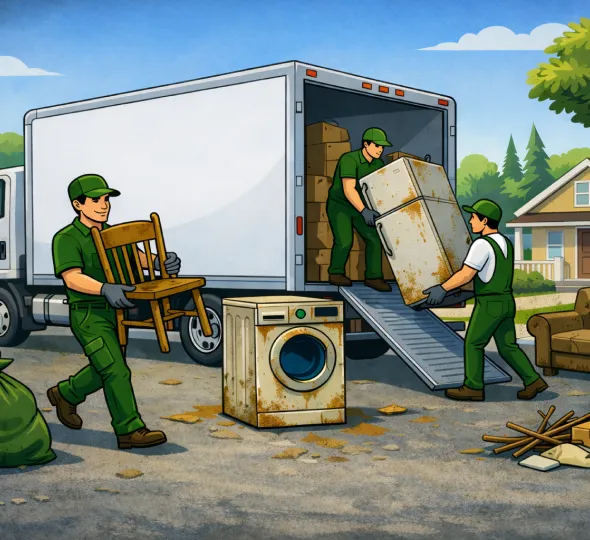
Our Hanover Residential & Commercial Junk Removal Services
Hanover Specialty & Other Junk Removal Services
Why Choose Hanover Junk Removal Services
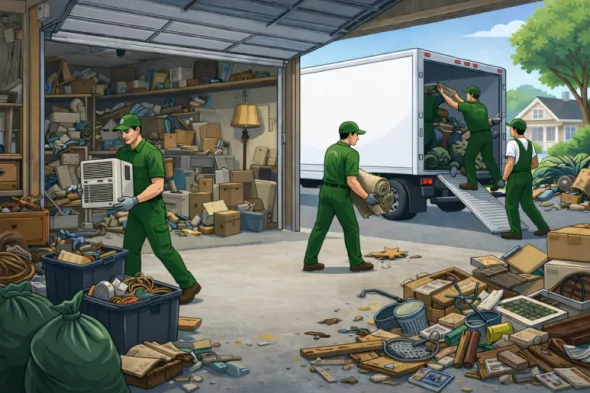

Comprehensive Junk Removal
-
Competitive Pricing
-
Experienced Professional Team
-
Satisfaction Guarantee
-
Personalized Service
-
Eco-Friendly Disposal
-
Fast and Reliable Scheduling
Understanding Hanover’s Waste Management Infrastructure & Municipal Disposal Requirements
Hanover, MA maintains a comprehensive municipal waste management system coordinated by the Department of Public Works (DPW). The town provides weekly curbside trash and recycling collection for residential properties, with bulk waste pickup available by appointment. The Hanover Transfer Station, located at 197 Rockland Street, operates Tuesday through Saturday and accepts a range of materials, including household waste, recyclables, and yard debris. Tipping fees for mixed waste are assessed by weight, and residents must display a valid transfer station sticker, which can be purchased annually through the DPW. Special collection events, such as household hazardous waste (HHW) and electronics recycling days, are scheduled periodically and publicized on the town website. For up-to-date schedules and accepted materials, residents should consult the DPW or the town’s online resources.
Department of Public Works
40 Pond Street, Hanover, MA 02339
Phone: (781) 826-3189
Official Website: Department of Public Works
For state-level solid waste planning and landfill ban information, visit the Massachusetts Department of Environmental Protection Solid Waste Master Plan.
- Weekly curbside collection for trash and recycling
- Transfer Station at 197 Rockland Street, open Tuesday–Saturday
- Annual sticker required for facility access
- Bulk waste pickup by appointment
- Special HHW and e-waste collection events
What Neighborhoods Do We Serve Throughout Hanover, MA?
Hanover Center: The historic core features older homes, some predating 1950, which may require special handling for lead paint or asbestos during cleanouts. Narrow streets and mature trees can limit truck access.
Four Corners: This mixed-use area includes commercial plazas and multi-family residences, resulting in higher waste volumes and frequent bulk item removal needs.
West Hanover: Suburban developments with wide driveways and detached garages, ideal for large appliance and furniture removal projects.
South Hanover: Residential neighborhoods with newer construction and HOA oversight; some properties may require HOA approval for dumpster placement.
Assinippi: Bordering conservation land, this area has environmental restrictions on debris disposal and may require Conservation Commission notification for certain projects.
North Hanover: Features a mix of single-family homes and small businesses; seasonal yard waste and post-storm debris are common.
Forge Pond: Waterfront properties with unique access challenges, including limited street parking and flood zone considerations.
Partnering with Hanover’s Environmental & Recycling Initiatives
Hanover actively supports waste diversion and recycling through curbside single-stream recycling, drop-off programs at the transfer station, and periodic e-waste collection events. The town aligns with Massachusetts’ landfill bans, which prohibit disposal of electronics, mattresses, and certain hazardous materials in municipal waste streams. Residents can recycle electronics at designated events or through the transfer station, while scrap metal and appliances are accepted for a fee. Donation partnerships with local organizations, such as Habitat for Humanity ReStore and Goodwill, facilitate reuse of furniture and building materials. For a full list of banned items and recycling guidelines, consult the Hanover Recycling Program and the Massachusetts Department of Environmental Protection.
- Curbside single-stream recycling for paper, cardboard, plastics, and metals
- Electronics recycling events and drop-off at transfer station
- Scrap metal and appliance recycling available
- Partnerships with local donation centers
- Compliance with Massachusetts landfill bans
Navigating Hanover’s Unique Access Challenges for Waste Removal
Hanover’s geography and climate present specific challenges for junk removal. Winter snow and ice can restrict access to driveways and curbside pickup points, especially in neighborhoods with narrow or unplowed streets. Flood-prone areas near Forge Pond and the North River require careful planning for debris removal, particularly after severe weather events. The town’s mix of historic and modern developments means that some properties have limited street parking or require special permits for dumpster placement. Seasonal patterns, such as increased yard waste in spring and fall, influence demand for municipal collection services. Residents are encouraged to monitor weather advisories and coordinate with the DPW for safe and compliant waste removal during adverse conditions.
- Winter weather may delay or restrict curbside collection
- Flood zones require special debris management protocols
- Narrow streets and historic areas may limit truck access
- Seasonal yard waste surges in spring and fall
- Advance coordination recommended for large projects
Hanover Municipal Regulations & Permits for Junk Removal Services
All junk removal operations in Hanover must comply with municipal regulations governing waste haulers, right-of-way use, and code enforcement. Licensed haulers are required to register with the town and provide proof of insurance and bonding. Placement of dumpsters or containers on public streets necessitates a right-of-way permit, which costs $50 and requires a minimum of three business days for processing through the DPW. In historic districts or HOA-governed neighborhoods, additional approvals may be necessary. Code enforcement officers monitor compliance with local ordinances, and violations can result in fines. For permit applications and regulatory guidance, contact the DPW or visit the town’s online permit portal.
Code Enforcement Office
40 Pond Street, Hanover, MA 02339
Phone: (781) 826-5000
Official Website: Code Enforcement Office
- Waste hauler licensing and insurance required
- Right-of-way permits for street dumpsters ($50 fee)
- 3–5 business days processing time
- HOA and historic district approvals may apply
- Code enforcement monitors compliance and issues fines
Electronics Disposal & E-Waste Recycling Laws in Massachusetts
Massachusetts enforces a landfill ban on electronics, including televisions, monitors, computers, and printers. Residents and businesses in Hanover must utilize approved recycling channels for these items. The Hanover Transfer Station accepts e-waste during regular hours and at special collection events, with certain items subject to handling fees. Under state law, manufacturers are responsible for providing free collection and recycling of covered devices. Data security is a legal requirement for businesses disposing of electronics. For a list of accepted items and drop-off locations, visit the Massachusetts Department of Environmental Protection Electronics Recycling page.
- Landfill ban on TVs, monitors, computers, and printers
- E-waste accepted at transfer station and special events
- Manufacturer-funded recycling for covered devices
- Data destruction required for business electronics
- Fines for illegal disposal (up to $500 per violation)
Hazardous Waste Restrictions & Proper Disposal Channels in Hanover
Hanover prohibits the disposal of hazardous materials, such as paints, solvents, pesticides, and automotive fluids, in regular trash or recycling streams. The town hosts annual Household Hazardous Waste (HHW) collection events, where residents can safely dispose of these items at no cost. The DPW provides information on accepted materials, event dates, and required documentation. For year-round disposal, residents may use regional HHW facilities listed by the Massachusetts Department of Environmental Protection. Batteries, fluorescent bulbs, and mercury-containing devices are regulated under the EPA Universal Waste Rule and must be handled at designated drop-off points.
- Annual HHW collection events for paints, chemicals, and more
- No hazardous waste in curbside trash or recycling
- Regional drop-off options for universal waste
- Documentation required for certain materials
- EPA and state regulations apply
Appliance Removal & Refrigerant Recovery Requirements in Hanover
Federal law mandates that all appliances containing refrigerants—such as refrigerators, freezers, air conditioners, and dehumidifiers—must be processed by EPA-certified technicians before disposal. Hanover’s transfer station accepts these appliances for a fee, provided the refrigerant has been properly recovered. Residents should request a certificate of removal from their service provider. The EPA Section 608 regulations govern refrigerant handling, and improper disposal can result in significant penalties. For more information on appliance recycling and compliance, contact the DPW or consult the EPA’s guidance.
- Refrigerant recovery required before appliance disposal
- Transfer station accepts appliances for a fee
- Certificate of removal recommended
- EPA Section 608 compliance mandatory
- Fines for improper handling or illegal dumping
Construction Debris Sorting & Material Separation Requirements in Hanover
Construction and demolition (C&D) debris generated in Hanover must be sorted to separate recyclable materials, such as clean wood, metal, and concrete, from general waste. The transfer station accepts sorted C&D debris, with tipping fees based on material type and weight. Contractors are responsible for ensuring compliance with state and federal regulations, including the Lead Renovation, Repair & Painting Rule for projects involving pre-1978 structures. Certain materials, such as asbestos, require specialized handling and disposal at approved facilities. For a list of accepted materials and sorting requirements, visit the DPW or the state’s solid waste program page.
- C&D debris must be sorted for recycling
- Tipping fees vary by material type
- Lead RRP compliance for older buildings
- Asbestos requires special handling
- Transfer station accepts sorted loads only
How Massachusetts Statewide Waste Reduction Goals Impact Hanover Services
Hanover’s waste management programs are shaped by Massachusetts’ ambitious waste reduction and recycling targets, as outlined in the state’s Solid Waste Master Plan. The plan aims to reduce solid waste disposal by 30% by 2030 and 90% by 2050, with strict enforcement of landfill bans on recyclables, organics, and hazardous materials. Hanover participates in regional planning efforts and coordinates with the Massachusetts Department of Environmental Protection to implement best practices. Residents and businesses are encouraged to maximize recycling, compost organic waste, and utilize municipal and state resources for responsible disposal.
- State goal: 30% waste reduction by 2030
- Landfill bans on recyclables, organics, and hazardous waste
- Regional planning and coordination with MassDEP
- Emphasis on recycling and composting
- Access to state and municipal disposal resources
Massachusetts Department of Environmental Protection
One Winter Street, Boston, MA 02108
Phone: (617) 292-5500
Official Website: Massachusetts Department of Environmental Protection
Regional & Federal Oversight: EPA Region 1 and Interstate Waste Regulations
Hanover falls under the jurisdiction of EPA Region 1, which provides regulatory guidance on hazardous waste, universal waste, and interstate transport of regulated materials. The Resource Conservation and Recovery Act (RCRA) establishes federal standards for solid and hazardous waste management, while the EPA Universal Waste Rule streamlines disposal of batteries, lamps, and certain electronics. Businesses and contractors operating in Hanover must comply with both state and federal requirements, especially when handling regulated or hazardous materials. For questions about federal compliance or interstate waste transport, contact the EPA New England office.
EPA New England (Region 1)
5 Post Office Square, Boston, MA 02109
Phone: (617) 918-1111
Official Website: EPA New England
- RCRA governs hazardous and solid waste management
- Universal Waste Rule covers batteries, lamps, and more
- Federal and state compliance required for businesses
- EPA Region 1 provides regulatory guidance
- Interstate waste transport subject to federal oversight